[content]
I get how overwhelming a home project can feel. If you’re thinking about window installation in New Jersey, you probably want fewer drafts, lower energy bills, and windows that fit the style of your street or neighborhood. I’ll walk you through practical options, cost-saving ideas, and local considerations that matter here in the Garden State. For useful federal guidance on energy-efficient upgrades, I also recommend checking the Department of Energy homepage for programs and tips on efficient windows https://www.energy.gov/.
Why window installation matters more in this area
New Jersey homes face a mix of hot, humid summers and cold, windy winters. That seasonal swing makes windows one of the biggest contributors to comfort and energy use. Older single-pane windows or failing seals let heat slip in and out, which increases HVAC run-time and monthly bills. Beyond energy, windows shape curb appeal and resale value—especially in towns near Newark, Jersey City, Princeton, and along the Jersey Shore where first impressions count.
Common problems I see with local homes
Working with homeowners across counties—from Bergen and Essex to Monmouth and Ocean—I’ve seen the same pain points: rattling sashes, peeling paint, condensation between panes, and windows that are difficult to open or close. For homes near the coast, salt air accelerates wear on frames and hardware. Replacing problem windows with the right materials and installation technique prevents those issues from coming back.
Top window types for New Jersey climates
Choosing the right window style and glazing is the first step. Here are the popular choices that balance performance and cost here in the state:
- Double- and triple-pane insulated glass: These reduce heat transfer and help reduce condensation on cold mornings.
- Low-E coatings: Low-emissivity coatings reflect infrared heat while letting visible light in—great for hot summers and sunny winters alike.
- Vinyl frames: Durable, low-maintenance, and cost-effective for many homes.
- Fiberglass and composite frames: More dimensionally stable than wood and better at handling moisture and salt air near the shore.
When to choose impact-resistant glass
If you live in an area prone to coastal storms or high winds, consider impact-resistant windows. They’re designed to withstand flying debris and can sometimes reduce insurance premiums. Even inland, impact-rated frames and stronger glazing can give you more peace of mind during severe weather.
Energy savings and available incentives
New windows are an investment, but the right choices pay back over time in lower heating and cooling costs. Energy-efficient windows reduce the load on your furnace and air conditioner, helping them run less frequently and last longer. Local utility and state programs sometimes offer rebates or incentives for energy-saving upgrades, and federal programs may provide tax credits for qualifying installations. When budgeting, factor in long-term savings as well as upfront cost.
Simple steps to maximize efficiency
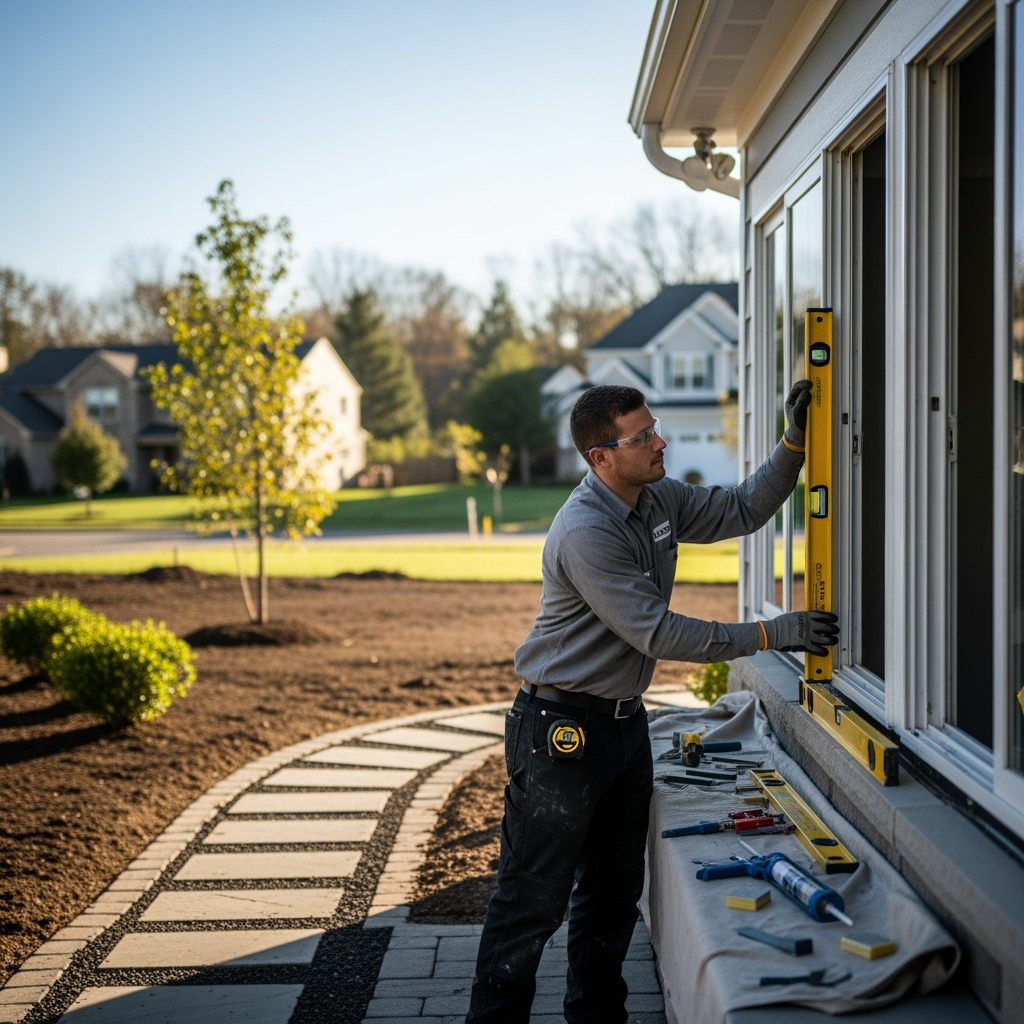
Installation quality is just as important as the product. A top-rated window installed poorly will underperform. Here are the practical installation steps I recommend asking your contractor to follow to ensure proper air and water sealing:
- Remove old window components without damaging the opening to preserve insulation opportunities.
- Inspect the rough opening for rot or structural issues before new framing or flashing is added.
- Install proper flashing and water-resistant barriers to direct water away from the opening.
- Seal gaps with low-expansion foam and apply high-quality exterior caulk to prevent drafts and moisture infiltration.
Design and curb appeal tips for neighborhoods
Matching windows to your house style enhances curb appeal and maintains neighborhood cohesion. In historic districts or towns with strict design review boards, choose windows that preserve sightlines and traditional proportions. For modern homes, clean lines and larger glass areas work well. Think about sash patterns, muntin grids, and frame color to complement siding, trim, and the streetscape.
Small changes that make a big visual impact
Updating trim, repainting sills, or swapping out hardware can transform appearance without replacing every unit. If you’re undertaking a larger renovation, consider grouping windows for more natural light in living spaces or installing a picture window to frame a garden or street view.
Budgeting and project timeline
Window installation costs vary by size, frame material, glass performance, and installation complexity. A full-home replacement will be different from swapping a few high-use units like a living room slider or front-facing windows. Typical projects run from a single day for a single window to several days or weeks for full replacement, including preparation and finish work. Plan around weather, and give installers a clear access path to the work areas to keep things efficient.
How to compare quotes
When comparing bids, I suggest asking for a breakdown that covers materials, labor, warranty, and details about flashing, insulation, and finishing. Cheaper bids sometimes skip proper flashing or use lesser sealing methods, which can cost more over time. A fair bid will explain the installation approach, the expected timeline, and how the crew will protect landscaping and interior floors during the work.
Permits, codes, and local rules
Many towns in New Jersey require permits for window replacement, particularly when openings change size or alter structural support. Historic districts and homeowner associations may have additional design rules. Your installer should help secure permits and ensure the work meets local building codes. That avoids delays and ensures compliance with energy performance requirements where they apply.
Trending topics and technologies to watch
Two trends are shaping window choices right now: energy-smart glass and storm-resilient systems. Smart glass that tints automatically is gaining traction in modern builds and high-end retrofits because it improves comfort without blinds. At the same time, resilient systems that resist impact and water infiltration are more popular after intense storm seasons. These trends respond directly to local priorities—comfort, energy savings, and durability in a changing climate.
How to weigh tech features against budget
Decide which rooms benefit most from premium options. Put highest-performance glass where solar gain is strongest or where you need the most thermal control. In lower-exposure rooms, solid double-pane units with good frames often deliver strong value. Balancing priorities room-by-room gives you a smarter budget and better overall comfort.
Questions to ask your installer
Before signing an agreement, ask direct questions that reveal workmanship quality, warranty coverage, and the installer’s experience with local conditions. Here are the questions I ask myself and recommend you ask:
- What is included in the warranty for both materials and labor?
- How will you protect my landscaping and interior during installation?
- Can you show examples of similar projects in this area or nearby neighborhoods?
- What flashing and sealing methods will you use to prevent leaks and drafts?
DIY vs professional installation
Some homeowners do small window swaps as a DIY weekend project, but professional installation matters for sealing, flashing, and ensuring proper structural support—especially for larger units or when the opening must be modified. If you’re not comfortable assessing rough openings, siding removal, or flashing, hiring a pro reduces risk and improves long-term performance. A licensed installer will also handle inspection and permit coordination in many towns in the region.
Maintenance tips to extend window life
Once your windows are installed, a little seasonal care goes a long way. Clean tracks and weep holes, lubricate hardware, and inspect seals for cracking or separation. For painted wooden frames, touch-up exposed edges and caulk as needed to prevent water intrusion. Periodic checks before winter and after high-wind storms catch problems early and protect your investment.
Quick maintenance checklist
Follow this simple routine twice a year to keep windows performing well:
- Clean frames and glass; remove debris from tracks.
- Inspect seals and caulking; replace or touch up where cracked.
- Operate all moving parts; lubricate hinges and locks.
- Check for water staining or signs of leaks around the opening.
How new windows solve common pain points
Well-chosen and properly installed windows address the main homeowner complaints: drafts, moisture, difficult operation, poor sightlines, and high energy bills. They also reduce noise when you choose better glazing and properly sealed frames—useful in busy towns or near transit corridors. For houses near the shore, replacing corroded hardware and salt-damaged frames prevents chronic maintenance headaches.
Realistic expectations
Even the best windows require occasional maintenance and thoughtful use. Motorized or smart systems add convenience but can increase maintenance needs over time. Plan for routine checks and keep installation and warranty paperwork in a safe place; it makes servicing easier if you ever need parts or repairs.
Making the project smooth from start to finish
A successful window installation starts with clear communication and ends with a walk-through. Before the crew leaves, do a final inspection of seal quality, interior trim fit, and exterior flashing. Ask the crew to demonstrate how locks and hardware work and get written details on warranty coverage and care instructions. Much of the stress of renovations disappears with a few simple communication steps up front.
When you’re ready to move forward, I encourage you to gather a few detailed quotes, ask installers for references or photos of recent jobs in nearby towns, and check that referrals align with the work scope you expect. If you need help prioritizing rooms or choosing materials that fit both your budget and the local climate, lean on professionals who can translate technical specs into real-world comfort and savings.
For trusted local exterior and deck improvements, consider professional teams that understand New Jersey’s weather patterns and building codes. When you’re ready, reach out to Creative Design NJ to discuss window installation, decks, and other exterior upgrades tailored to your home and neighborhood.