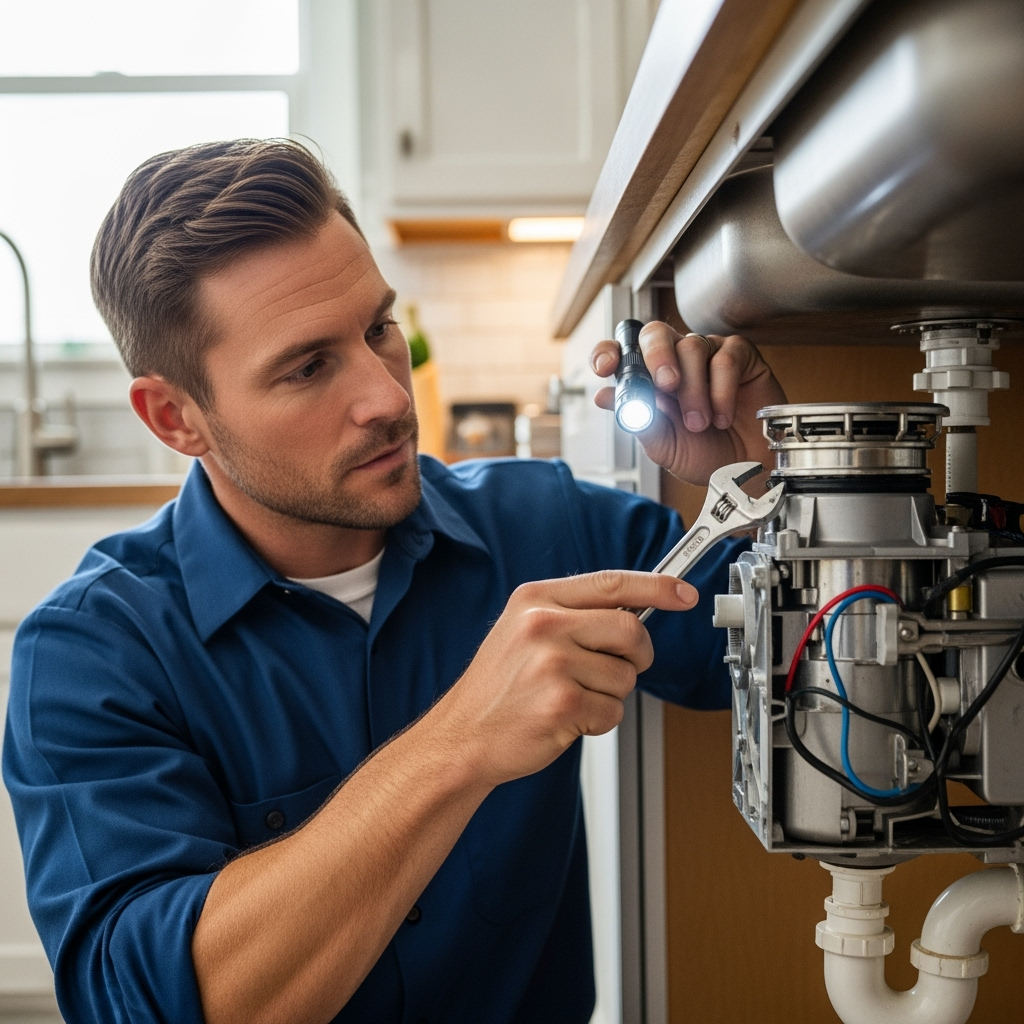
When your sink starts gurgling or the blades stop turning, you want a fast, reliable answer. If you’re looking up garbage disposal repair in Huntsville, AL you’re in the right place. I’ll walk you through practical troubleshooting, common causes, and when to call in professional help. For quick context about our growing city and how service needs have expanded, the U.S. Census Bureau homepage is a good resource for demographic background: census.gov.
Why garbage disposals fail and what that means for your kitchen
Garbage disposals are workhorses, especially in busy households in south Huntsville, near Redstone Arsenal, and neighborhoods like Five Points and downtown. They deal with food waste every day, and over time that wear and tear leads to four common failure patterns: clogs, jams, leaks, and electrical faults. Understanding which one you’re facing helps you pick the safest, fastest fix.
Clogs and buildup
Clogs happen when grease, starchy scraps, or fibrous items get stuck in the grind chamber or the drain line. Grease solidifies as it cools and sticks to pipes, potato peels and pasta swell and clog, and skins from celery or corn silk wrap around the shredder ring. Clogged drains are slow to clear and often produce a foul smell.
Jams
A jammed disposal will hum or simply refuse to spin when switched on. This usually means something is caught between the impellers or the rotor is seized with debris. Jams are often fixable without replacing the unit, but only if you follow safe unjamming steps.
Leaks and corrosion
Leaking can come from the sink flange, dishwasher connection, disposal body, or drain piping. Older units corrode and develop pinhole leaks. Leaks left unaddressed can worsen suddenly and cause water damage to cabinets and subfloors — a costly problem in older homes in midtown and south Huntsville.
Electrical and motor failures
Sometimes the disposal won’t power up because of a tripped reset button, a blown circuit, or a burnt motor. If you flip the switch and hear nothing, or if the unit keeps tripping the breaker, it’s an electrical issue that needs careful handling.
Quick DIY fixes I use before calling for service
I always recommend safe, conservative troubleshooting before you pick up the phone. These steps solve many common problems and can save time and money. If anything feels unsafe, stop and call a pro.
- Reset the unit by turning it off, waiting a minute, and pressing the red reset button on the disposal’s underside. If it clicks and runs, test with cold water.
- Clear a jam using the hex key method: unplug the disposal or flip the breaker, insert a 1/4-inch hex key into the recess under the unit, and turn back and forth to free the rotor. Never put your hand inside the disposal.
- Use a plunger or a drain snake for clogs below the unit. Many clogs live in the trap or the horizontal drain line rather than the disposal itself.
- Check the dishwasher hose and sink connections for obvious leaks or loose clamps. Tightening a clamp can stop a leak quickly.
Tools and safety tips to keep in your kitchen
Keep a few simple tools on hand so you can troubleshoot quickly and safely. I always recommend the following:
- A 1/4-inch hex (Allen) wrench for manual unjamming
- A household plunger suitable for sinks
- Long-handled tongs or pliers for removing nonmetallic debris
- A flashlight and basic wrench set for tightening plumbing connections
Safety first: always disconnect power at the wall or breaker before reaching into the disposal. Never use your hand to clear the blades, and avoid chemical drain cleaners that can damage pipes and the disposal’s finish.
When to call a professional in this area
I’ll be blunt: some jobs are safe for DIYers and others aren’t. Call a professional if any of the following applies to your situation.
- The disposal hums but won’t turn after a reset and manual rotation.
- Water is leaking from the bottom of the unit or under the sink cabinets.
- You suspect an electrical problem because a breaker trips repeatedly.
- There’s a persistent foul odor after cleaning attempts or multiple clogs in a short time.
What the pros will check
A trained technician will inspect the electrical connection, measure amperage draw on the motor, check seals and gaskets, and trace the drain line for clogs. They’ll also evaluate whether repair or replacement is the better option based on the unit’s age, corrosion level, and severity of the damage.
Repair versus replacement — how to choose
Replacing a failing disposal can sometimes cost only a little more than repair, especially if the unit is older than 8–10 years. New disposals are more efficient, quieter, and better at handling kitchen waste. Here are factors I use to recommend replacement:
- Age of the unit: older units lose efficiency and parts become scarce.
- Repeated problems: multiple visits or recurring leaks suggest deeper wear.
- Electric motor damage or rust that compromises structural integrity.
- Desire for a quieter or higher-capacity model for a busy household.
Installation considerations for this area
In Huntsville, homes have a mix of older and newer plumbing. That means unexpected problems like incompatible drain fittings, older electrical wiring, or tight cabinet spaces can change the job scope. Proper installation often includes updating the electrical connection to code, checking for proper grounding, and ensuring the sink flange is sealed against leaks.
Maintenance tips that actually work
Little habits prevent most disposal problems. I suggest these practical tips you can do weekly or monthly to keep the unit running smoothly and reduce service calls.
- Run cold water for 15–30 seconds before and after grinding. Cold water keeps fats and oils solid so they’re chopped up and flushed away rather than coating pipes.
- Avoid fibrous foods like celery, corn husks, and onion skins. Fibers wrap around the blades and cause jams.
- Grind small amounts of cold, hard food with plenty of water. Citrus rinds and ice cubes can help clean the grinding chamber and remove buildup.
- Don’t put grease, coffee grounds, or pasta/rice down the drain. These create sludge and clogs below the disposal.
Common misconceptions I warn homeowners about
People often believe chemical drain cleaners will clear a disposal. They won’t — and they damage the unit and pipes. Another myth is that a disposal will handle all food waste. Disposals are not trash compactors; they’re designed to process soft food scraps in small amounts, not large bones, fruit pits, or plastics.
Smart kitchen trends affecting disposals
Two trends are changing how people use disposals. First is the move toward sustainable kitchens and composting. Many homeowners now divert food scraps to compost instead of the disposal, reducing load and odor issues. Second is integration with smart plumbing devices. Sensor-driven leak detectors and smart switches can now alert you to leaks, power loss, or unusual usage patterns that may indicate early failure.
Typical costs and what to expect in Huntsville
Costs vary based on the problem and whether replacement is needed. Simple fixes like resets or jam clearing can be low-cost. Repairs involving motor replacement, electronics, or labor-intensive access can be several hundred dollars. Full replacement, including a new disposal and installation, ranges widely depending on the model and any required plumbing or electrical updates. I always recommend asking for a written estimate that breaks out parts and labor so you can compare options.
How to prepare for a service visit
Before a technician arrives, clear the area under the sink, remove cleaned items and chemicals, and note the symptoms you’ve seen (sounds, smells, intermittent power). If you know the approximate age of the disposal or its brand, have that ready. This helps the technician bring the right replacement parts or prepare for a more efficient repair.
Local examples and typical neighborhood issues
In older neighborhoods like Twickenham and Five Points, aging drain lines and outdated wiring sometimes complicate simple garbage disposal jobs. In newer developments and subdivisions in north Huntsville, cramped under-sink spaces or modern quiet disposals require special mounting hardware. I always inspect the surrounding plumbing and electrical to avoid surprises and to give homeowners a clear plan.
What to do after a repair or installation
After service, test the disposal with cold water and a small load, listen for unusual noises, and check for leaks. Keep the technician’s instructions about break-in procedures or recommendations for routine cleaning. A quick follow-up call is a good way to ensure everything is performing as expected.
Final thoughts and practical next steps
Garbage disposals make daily life easier, but they need basic care and correct use. Start with safe troubleshooting steps, follow preventative maintenance habits, and call a professional when the problem is beyond a reset or a minor unclog. If you live in or around Huntsville and want a clear next step, keep these points in mind: know the unit’s age, avoid risky items, and prepare your sink space before a technician arrives.
If you’re ready for a professional inspection, or need speedy repair or installation in the city, reach out to Dean Plumbing for service in Huntsville, AL.