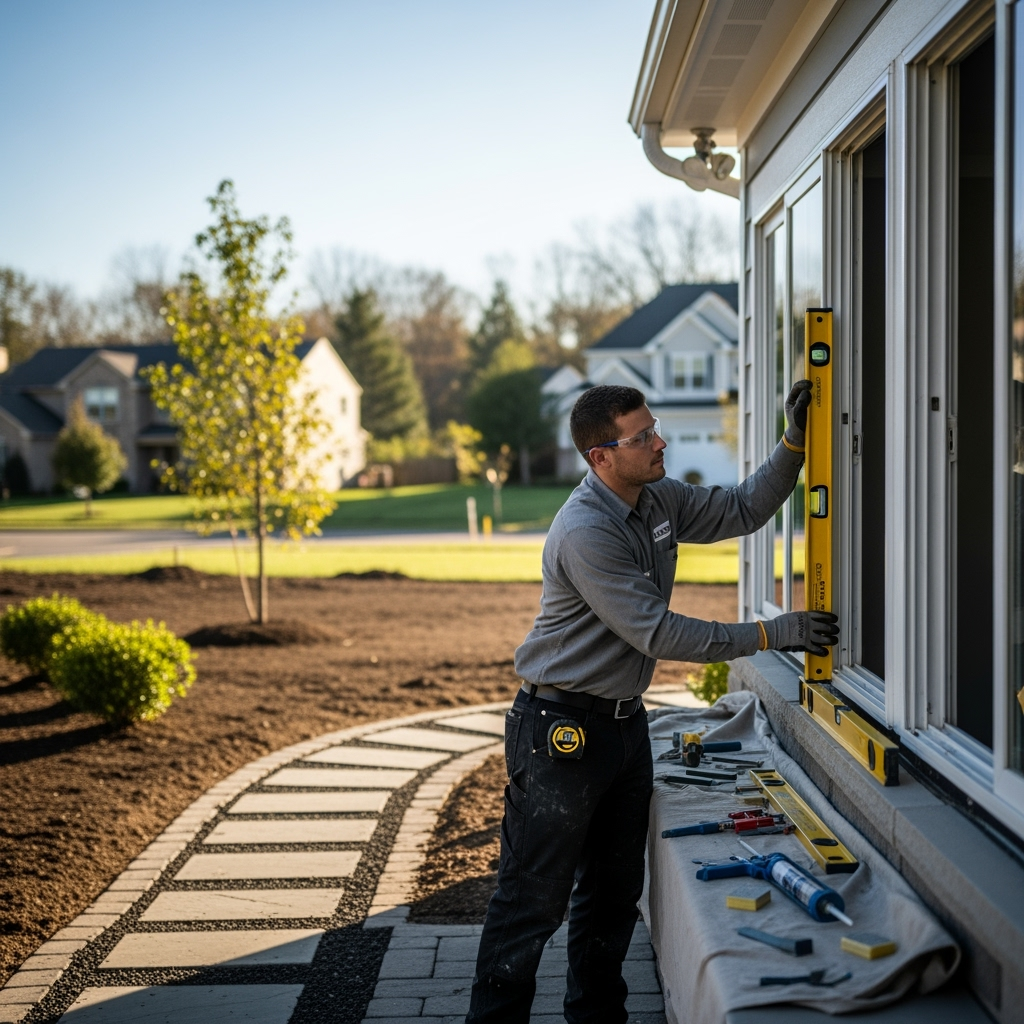
I’ve helped homeowners weigh practical needs and personal taste when planning window installation in New Jersey, and I know the questions that come up most: Will new windows lower my energy bills? Can they stand up to coastal storms? How do I keep my landscape views framed just right? For context on housing and home improvement trends that affect the region, the U.S. Census Bureau offers useful national and local data I use to plan realistic budgets and timelines: https://www.census.gov.
Why windows matter more than you think in this area
Windows are not just glass set into a wall. In New Jersey, they shape comfort, curb appeal, and the way your home interacts with the seasons and the landscape. Properly chosen and installed windows reduce drafts in chilly winters, limit heat gain on hot summer afternoons, and protect interiors during heavy coastal storms that sweep through shore communities. They also influence resale value—buyers notice updated windows—and make decks, patios, and garden views feel integrated with indoor space.
Top trends shaping window installation in New Jersey
Several trends are driving homeowner choices right now. First, energy efficiency is a top priority. Low-emissivity (low-E) coatings, double- and triple-pane glazing, and warm-edge spacers are more common as people chase lower utility bills and more comfortable indoor temperatures. Second, storm-resistant and impact-rated windows have gained traction along the coast and in flood-prone zones. Third, homeowners are asking for windows that work with exterior improvements—larger picture windows, sliding and folding glass walls, and transoms that connect living spaces to decks and patios.
Another emerging trend is the focus on sustainability and incentives. Programs at federal and state levels occasionally change, creating windows of opportunity for rebates or tax credits; factoring those into your decision can shift which upgrades make sense financially. Finally, smart glass options—tinting and shading that respond to light or remote controls—are transitioning from high-end custom jobs to more accessible packages.
How to choose the right window types for your property
Each home and neighborhood tells a different story. An urban rowhouse in Newark requires different solutions than a beach bungalow in Monmouth County or a suburban colonial near Princeton. Think in three layers: performance, style, and integration with the site.
Performance: energy efficiency and durability
Prioritize windows with a clear performance rating. Look at U-factor for heat transfer and solar heat gain coefficient (SHGC) for how much heat enters from sunlight. Lower U-factors mean better insulation, and a balanced SHGC helps in homes that get a lot of afternoon sun. For coastal or wind-prone areas, impact-rated frames and laminated glass resist debris and provide better protection during severe storms.
Style: keeping regional character
Choose a style that complements your home’s architecture. For historic neighborhoods, wood-clad or wood-look windows preserve character while modern insulating glass improves comfort. For contemporary new builds or renovations tied to decks and outdoor living areas, consider large fixed picture windows, sliding doors, or multi-panel glass systems that open wide to the landscape. Color, grille patterns, and frame width all affect how a window reads from the street and how it frames a garden or deck.
Common materials and what they mean for cost and maintenance
Window frames come in vinyl, fiberglass, aluminum, and wood (often clad with aluminum or vinyl on the exterior). Each material has pros and cons that matter in the New Jersey climate.
- Vinyl: lower cost, low maintenance, good insulation but fewer color options and limited structural strength for very large openings.
- Fiberglass: higher upfront cost, excellent thermal and structural performance, stable in temperature swings, and paintable for custom colors.
- Aluminum: sleek and strong, great for modern minimal frames and large expanses, but less insulating without a thermal break.
- Wood/clad: best for traditional aesthetics and insulating value, but requires more maintenance if not properly protected on the exterior.
Budgeting, permits, and return on investment
Budgeting for new windows should include materials, labor, flashing and trim, disposal of old windows, and any drywall or siding repair after the installation. In many New Jersey towns, window replacement that does not alter the structure or footprint requires no building permit, but historic districts and some municipalities do require approvals or specific materials. Check with local building departments before ordering custom units. While full replacement is an investment, energy-efficient windows commonly reduce heating and cooling costs and can be a major selling point for future buyers.
How new windows can enhance your landscape and outdoor spaces
As a landscape-minded writer, I always recommend thinking of windows as frames for the yard. A well-placed picture window will spotlight a specimen tree, and sliding or folding glass doors can lengthen the living area onto a deck. For homes where privacy is a concern, consider clerestory windows or narrow vertical windows that admit light without exposing interiors. On properties with decks or patios, coordinate window placement with exterior improvements so sightlines and access feel seamless.
Step-by-step for a smooth window installation
A straightforward, well-communicated installation keeps costs down and reduces surprises. Here’s a practical sequence I suggest when planning a project.
- Assess needs and set priorities: energy savings, storm resistance, aesthetic upgrade, or improving views and access to decks and patios.
- Get multiple on-site estimates that include removal, flashing, and finishing. Ask each installer about warranties and examples of similar work in the area.
- Confirm lead times and delivery windows for ordered units, and schedule work for milder weather when possible to limit exposure of open wall cavities.
- Prepare the area: clear outdoor furniture, protect flooring, and plan for contractor parking and material staging to avoid delays.
Picking the right installer in the city and suburbs
Choosing an installer is as important as selecting the windows. Here are quick ways to separate good teams from the rest:
- Insist on on-site assessments; accurate measurements and visible problem-spot checks matter.
- Ask about installation techniques, flashing, and how they handle water intrusion—get specifics rather than generic promises.
- Request references for local projects and ask to see before-and-after photos that match your home style.
- Check warranty coverage on both glass and installation labor and how claims are handled.
Common pain points and how to avoid them
Homeowners often report issues like drafts after installation, water leaks, or unexpected repair costs for framing and trim. Avoid those surprises by getting a thorough pre-install inspection and asking the installer to document conditions, proposed flashings, and how they will handle trim and siding transitions. If your home has lead paint or asbestos-containing materials, disclose that early so the crew can follow appropriate safety protocols.
Maintenance tips to extend window life
New windows are less maintenance-heavy than older ones, but routine care keeps them performing well for decades. Keep moving parts lubricated and clean, replace seals that show wear, and inspect exterior caulk annually. If you have operable sashes, check and clean drainage weep holes so water has a place to go. For coastal properties, rinse salt deposits from frames and hardware regularly to prevent corrosion.
Energy-saving upgrades worth considering
If saving energy is your priority, consider these upgrades that often deliver measurable returns: low-E coatings to control heat flow and UV damage, argon or krypton gas fills between panes for improved insulation, and warm-edge spacers to reduce heat transfer along the glass perimeter. Pair window upgrades with insulation and air-sealing projects to maximize benefits. Combining window improvements with shading strategies like exterior awnings or properly placed trees can reduce cooling costs in summer while allowing winter sun to warm interiors.
Trending technologies to watch
Two technologies are gaining traction in home exteriors. First, impact-rated glazing and reinforced frames designed for storm resilience are becoming standard in coastal multi-family and single-family projects. Second, dynamic glass—electrochromic or switchable tinting—allows glass to change opacity on demand, which improves comfort and reduces reliance on mechanical cooling. These options are more affordable now than they were a few years ago and are especially appealing for homes with large glazed areas facing strong sun.
Realistic timeline and what to expect on install day
Most full window replacements for an average single-family home take several days to a couple of weeks, depending on the number of units and whether the installer needs to repair or replace rotted framing. On installation day, crews will remove old units, prepare rough openings, install flanges and flashing, then set the new windows and seal them. Expect some noise and debris; a professional crew will protect floors and landscaping and clean up at the end of each workday. Communicate clearly about staging areas, where materials should be placed, and any parking restrictions in your neighborhood.
How I help homeowners make confident decisions
When I work with clients planning window projects, I focus on aligning goals with the realities of the home and the neighborhood. That means mapping views to window types, weighing energy performance against budget, and finding installers who understand how exterior work—decks, siding, and landscaping—affects flashing and waterproofing. My approach is practical and detail-oriented: I want the finished job to look good, perform well, and last long enough to justify the investment.
Small upgrades that make a big difference
If a complete replacement isn’t in the budget, there are interim upgrades that improve comfort and efficiency. Add interior storm windows for older single-pane units, install weatherstripping around operable sashes, and seal gaps with clear caulk or foam where appropriate. Window films can help with solar heat gain and UV protection, though they don’t replace the insulation value of modern insulated glass.
Local considerations for different New Jersey neighborhoods
Each part of the state has its own challenges. Coastal towns need impact-rated glass and corrosion-resistant hardware to stand up to salt air and storm surge. Urban properties may prioritize sound reduction and thermal efficiency. Older suburban homes often have custom, non-standard openings that require careful measuring and custom-built units. Work with installers who know local building department rules and can recommend solutions that match neighborhood character.
Final checklist before you commit
Before signing any contract, verify these items so the project goes smoothly: confirm the exact product specifications, get start and completion dates in writing, check warranty details, and make sure the contract lists who is responsible for permit fees and cleanup. A clear, itemized agreement is your best protection against hidden costs.
Window installation in New Jersey is a smart investment when planned carefully. Whether you want improved comfort, lower energy bills, or a better connection to your yard and deck, the right choices start with performance criteria and end with quality installation. If you’re ready to explore options or want help coordinating windows with exterior improvements like a new deck or siding, I encourage you to reach out and discuss your goals.
If you’d like professional assistance combining exterior upgrades and thoughtful window selection in this area, contact Creative Design NJ to start a conversation about your project and timeline.